You are likely here because a real event is coming up. A trade show booth needs one more visual. A lobby feels empty. A community table setup looks too flat. Or you already tried a poster board and realized it doesn’t travel well, doesn’t stand neatly, and doesn’t send the right message.
That’s where a roll up banner earns its keep. It works like a silent salesperson. You carry it in one case, set it up quickly, and let it keep talking while your team handles conversations, check-ins, or demos.
A lot of online advice makes this sound simple in the wrong way. It tells you to “use bold text” or “upload a PDF,” but it skips the practical issues that decide whether your banner looks polished or amateur. The details matter. Size affects readability. Material affects curling and glare. File setup affects color and sharpness. Local fulfillment affects whether the piece arrives when and where you need it.
If you run a business in the Hudson Valley or Capital Region, those practical details matter more. An architect may need graphics that stay legible at large scale. A law office may need a formal display for a reception area or court-related presentation. A medical office may need clear wayfinding without visual clutter.
Your Essential Guide to Professional Roll Up Banners
A business owner arrives at an event with a tablecloth, brochures, and a clear pitch. Ten minutes later, the setup still looks unfinished. Other exhibitors have a strong visual presence from across the room, while this table only works once someone is already standing in front of it.
A roll up banner fixes that visibility problem.
It works like a silent salesperson. It stands upright, carries your brand without taking up much floor space, and keeps communicating while your staff answers questions, greets visitors, or handles appointments. That matters at trade shows, in office lobbies, at hiring events, and in waiting areas where people need to understand who you are before a conversation starts.
Good results depend on more than uploading artwork and hoping it prints well. A banner is a physical tool, not just a design file. The size has to fit the room. The material has to resist glare and curling. The layout has to stay readable from a distance. Production timing has to match the actual deadline, not the ideal one on a website checkout page.
That local, practical side is where many online design articles fall short. They often explain color, fonts, and logos in general terms, but they do not help when an architecture firm needs sharp plan-related graphics for a Hudson Valley presentation, a law office needs a polished display for a reception area, or a healthcare practice needs clear messaging that feels calm and professional. Those projects have different pressures, and the banner has to match the setting.
Camelot Print & Copy Centers helps close that gap between design advice and real-world fulfillment. That means helping businesses choose a format that fits the use case, preparing files correctly, producing the banner locally, and getting it ready for the event, office, or outreach campaign without wasting time on preventable reprints.
If you are already reviewing local business marketing strategies, a roll up banner belongs in that mix because it gives your brand a portable, repeatable display you can use again and again.
The goal is simple. Spend once, use it often, and make sure it looks professional every time it comes out of the case.
What is a Roll Up Banner and Why Your Business Needs One
You arrive at a networking event in Poughkeepsie with ten minutes to spare. The table is ready, the brochures are in place, and the room is already filling up. A roll up banner gives you one more piece of the setup that matters. A clear, upright display that comes out of its case, stands in seconds, and starts explaining your business before the first conversation begins.
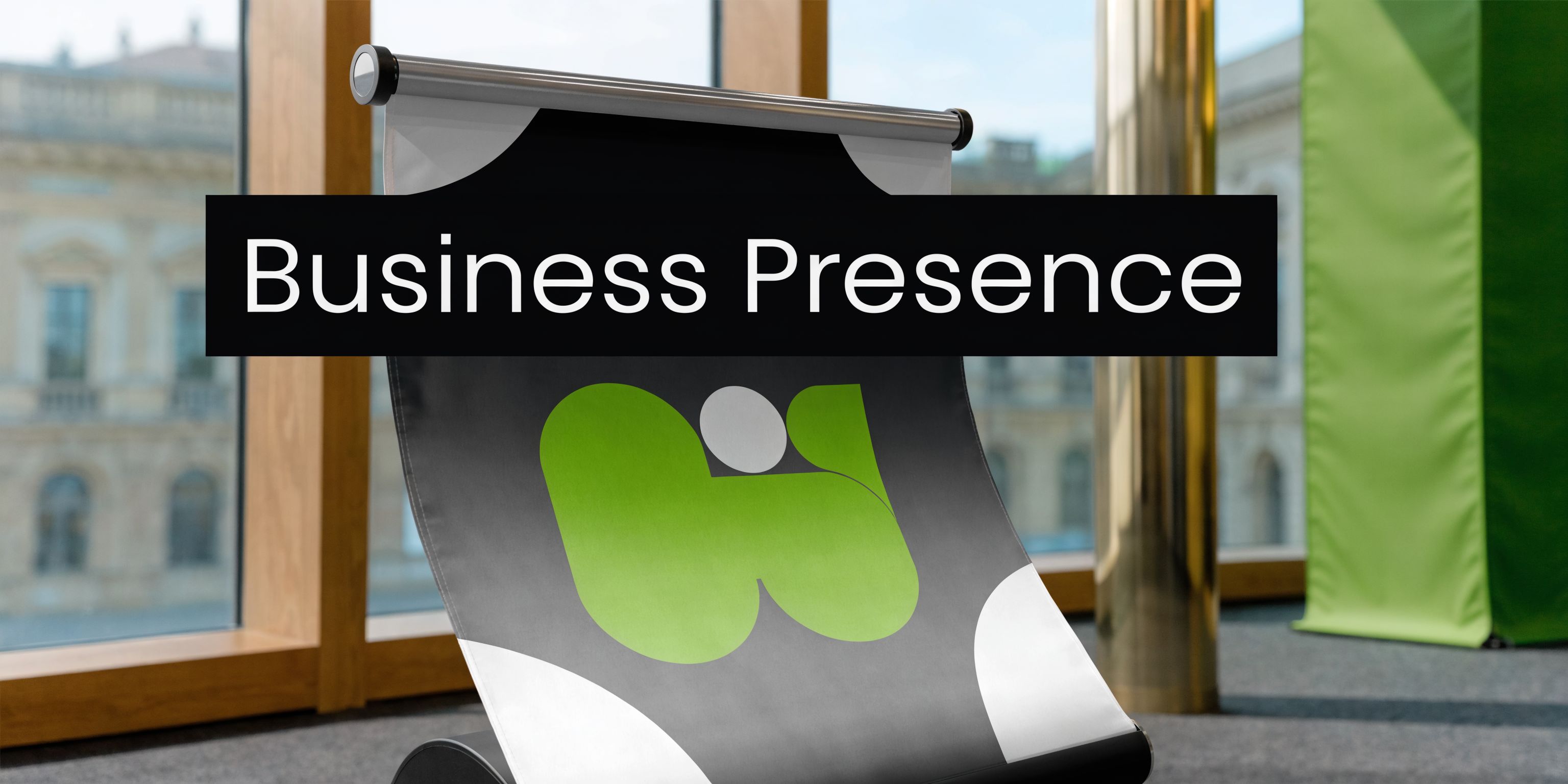
A roll up banner is a printed graphic housed inside a spring-loaded base. You pull the panel up, attach it to a support pole, and the banner stands on its own. After the event, it rolls back into the base for storage and transport.
It functions like a silent salesperson. It introduces your brand, signals professionalism, and helps visitors understand what you offer without asking your staff to repeat the same opening line all day.
Why the format works in real business settings
The practical advantage is simple. The banner graphic and the stand are part of one system.
That matters more than many first-time buyers expect. Loose posters need mounting. Foam boards take up storage space. Wall signs stay in one place. A roll up banner travels in a car, fits in a closet, and can move from a lobby to a career fair to a community event without creating extra setup work.
For business owners, that usually means less hassle and better consistency. The same display can support a sales meeting one week and a recruiting event the next, while still looking polished.
For local organizations, that flexibility has real value. An AEC firm may need a branded display for a Hudson Valley proposal presentation. A law office may want a clean banner in reception that reassures visitors and reinforces credibility. A healthcare practice may need clear service messaging that feels calm, readable, and appropriate for a waiting room. The format stays the same, but the job changes with the setting.
Where a roll up banner earns its keep
A roll up banner works best anywhere people need quick context.
Trade shows and expos
It gives your booth vertical presence, even when floor space is tight.
Reception areas and lobbies
It answers basic questions fast. What do you do, who do you help, and where should a visitor go next?
Retail, showroom, and seasonal promotions
It lets you update a message without installing permanent signage.
Community events and outreach tables
It helps people spot your organization from across the room.
Temporary wayfinding and service information
It can direct guests to registration, explain a process, or identify a department.
If your message needs to live outdoors for a street-facing promotion, festival, or jobsite notice, a retractable unit may not be the right tool. In that case, outdoor vinyl banners for weather-exposed displays are often a better fit.
Why businesses keep using them
A postcard gets one delivery. A flyer gets one handoff. A roll up banner can show up for years if the design is strong and the hardware is handled well.
That makes it a practical buy for small and mid-sized businesses that want one display to do several jobs. It also fits neatly into broader local business marketing strategies that depend on repeated local visibility, including events, partnerships, office branding, and community presence.
Camelot Print & Copy Centers helps clients treat the banner as a full project, not just a file upload. That includes matching the banner to the setting, checking whether the artwork will read at distance, and producing it locally so the finished piece is ready for the actual use case.
The mechanics are part of the value
The hardware protects the print, keeps the banner under tension, and helps it stand straight. That may sound minor, but it solves a common problem. A graphic only helps when it looks presentable every time you use it.
If you have ever brought a poster to an event and watched the corners curl, the board wobble, or the easel slide out of place, you already know the difference. A roll up banner turns one printed panel into a repeatable display system that is easier to carry, easier to store, and easier to reuse.
Choosing Your Banner Size and Material
The right banner starts with two decisions. How big should it be? And what should it be printed on? Most ordering mistakes happen here, not because people choose badly, but because they choose before thinking about where the banner will stand and how often they’ll use it.
Start with the common size
The standard workhorse size is 33" x 80". That format is widely used because it fits common event spaces and is designed for human eye-level viewing from 10-20 feet, according to retractable banner size guidance. In plain terms, it’s tall enough to get noticed and narrow enough to fit in tight spaces.
A narrower format can make sense at a reception desk, in a hallway, or beside a check-in table. A wider format can create more visual presence, but it also takes more floor space and may feel crowded in smaller lobbies or offices.
Match size to the room, not just the artwork
A banner should fit the space the way a chair fits a room. Bigger isn’t always better.
Use a standard-width banner when you want one clear message in a booth, entrance area, or waiting room. Choose a more compact display if people will stand close to it or if the banner will sit near furniture, doors, or circulation paths.
For weather-exposed promotions, a retractable unit isn’t the first format to consider. In those cases, a separate outdoor product may be the better fit, and this overview of outdoor vinyl banners is useful for comparing use cases.
Material changes the look and lifespan
Material choice affects how the banner prints, how flat it hangs, and how it behaves after repeated use.
Modern retractable displays often use 15 oz PET blockout vinyl for no-curl performance, with the retractable mechanism applying uniform tension, as described in the size and material guidance already cited above. Another common option in banner production is polyester film designed specifically for retractable systems.
Here’s the practical difference:
- PET blockout film helps prevent show-through and supports a flatter presentation.
- Polyester banner film is commonly chosen for retractable systems because it’s made for that application.
- Water-resistant synthetic materials make sense when handling, transport, or occasional splashes are a concern.
- Matte or satin surface choices influence glare and perceived sharpness.
A law office lobby may benefit from a lower-glare look. A healthcare check-in area may need clean, readable information under bright indoor lighting. An AEC firm may care most about line clarity and legibility in drawings or diagrams.
Roll Up Banner Size and Material Guide
| Size (Width x Height) | Material | Best Use Case | Key Benefit |
|---|
| 33" x 80" | PET blockout vinyl | Trade shows, service displays, lobbies | Balanced visibility and portability |
| 31" x 80" | Polyester film | Tight spaces, hallways, reception areas | Easier fit where floor space is limited |
| Compact display size | Lightweight display film | Tabletops, counters, sign-in areas | Useful where a full-height unit would overwhelm the space |
| Standard height display | Water-resistant synthetic film | Frequent transport, repeated setup | Handles wear better than paper-based alternatives |
A simple way to choose
If you’re unsure, ask these questions in order:
Where will it stand most often
A booth, office, lobby, conference room, or temporary event space?
How far away will people view it
If they’ll see it from across a room, standard width usually makes more sense.
Will lighting create glare
Bright interior lighting can change how finishes feel in person.
Will you reuse it often
Frequent setup and teardown make material quality more important.
Choose the banner around the room first. Then choose the design around the banner. That order prevents a lot of expensive compromises.
Designing a Banner That Gets Results
Most weak banners suffer from the same problem. They try to act like brochures. Too much copy, too many logos, too many images, and no clear focal point.
A roll up banner works better when it behaves like a billboard for close-range spaces. Someone should understand the main message quickly, even while walking by.
Keep the message simple and layered
Put the most important idea where the eye lands first. That typically means a logo near the top, a short headline in the central viewing area, and a supporting line or call to action below.
Don’t force viewers to read paragraphs. They won’t.
The file setup rules that matter
Print has a few essential requirements. They’re technical, but the reasons are simple.
For optimal printing, a 3 mm bleed is required, files must be in CMYK, and resolution should be 150 DPI at the final size. The top 10 mm and bottom 40 mm are no-go zones for key content because the roll-up mechanism obscures them, based on roll-up banner design guidelines from PrintSimple.
Here’s what that means in plain language:
3 mm bleed
Your background color or image should extend slightly past the trim edge so you don’t end up with thin white borders.
CMYK color mode
Printers are built for print color, not screen color. RGB files can shift when converted.
150 DPI at final size
This keeps graphics sharp enough for most banner use without creating unnecessarily heavy files.
Top and bottom no-go zones
Don’t place logos, contact details, or key text where the hardware will hide them.
If you only remember one layout rule, remember the no-go zones. Designers often place a website or phone number too low because the artboard looks full height. Then the printed banner arrives, and the bottom hardware swallows the line they needed most.
Build a clear visual hierarchy
Good hierarchy means people know what to read first, second, and third.
A practical banner layout often looks like this:
Brand identifier at the top
Your logo or organization name.
A short headline in the center
This is the promise, service, or event message.
A supporting statement
One line that adds context.
A simple action
Visit, call, ask, scan, or stop by.
That’s enough for most uses.
Brand consistency matters more than decoration
If your business already has a style guide, use it. If it doesn’t, consistency still matters. The banner should look like it belongs with your website, brochure, business cards, and office signage.
If you’re still refining your visual system, this guide on how to create a brand identity is a practical starting point for aligning color, typography, and tone before you send artwork to print.
The strongest banner usually has fewer elements than the first draft. Clarity beats decoration almost every time.
Common design mistakes to avoid
Tiny text
If people need to step close just to read the service list, the layout is too dense.
Low-quality images
A photo that looks acceptable on a phone can look soft when enlarged.
Too many competing messages
One headline wins. Three headlines compete.
Poor contrast
Light gray text on a pale background may look stylish on a laptop and disappear in a venue.
For file quality questions, this explanation of DPI for printing helps clear up one of the most common points of confusion.
A quick self-check before you submit art
Ask yourself:
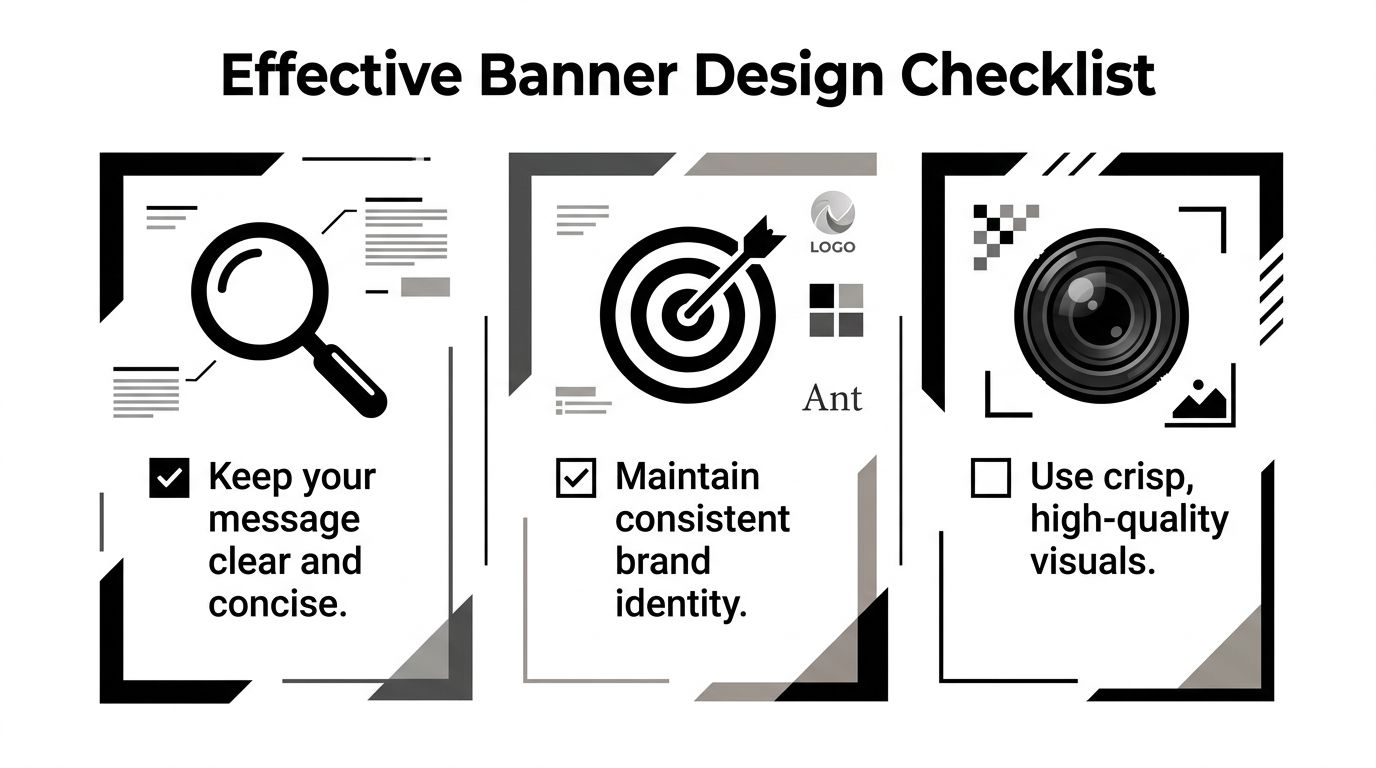
- Can someone understand this in a few seconds
- Is the headline short enough
- Did I keep critical content out of the hidden top and bottom areas
- Are all images sharp at final size
- Does this look like our actual brand
If the answer to any one of those is no, revise before printing. That small pause usually costs less than a reprint.
Setup Maintenance and Long-Term Care
A roll up banner is easy to use, but small handling habits decide whether it stays crisp or starts looking tired after a few events.
The good news is that setup is straightforward.
A simple setup routine
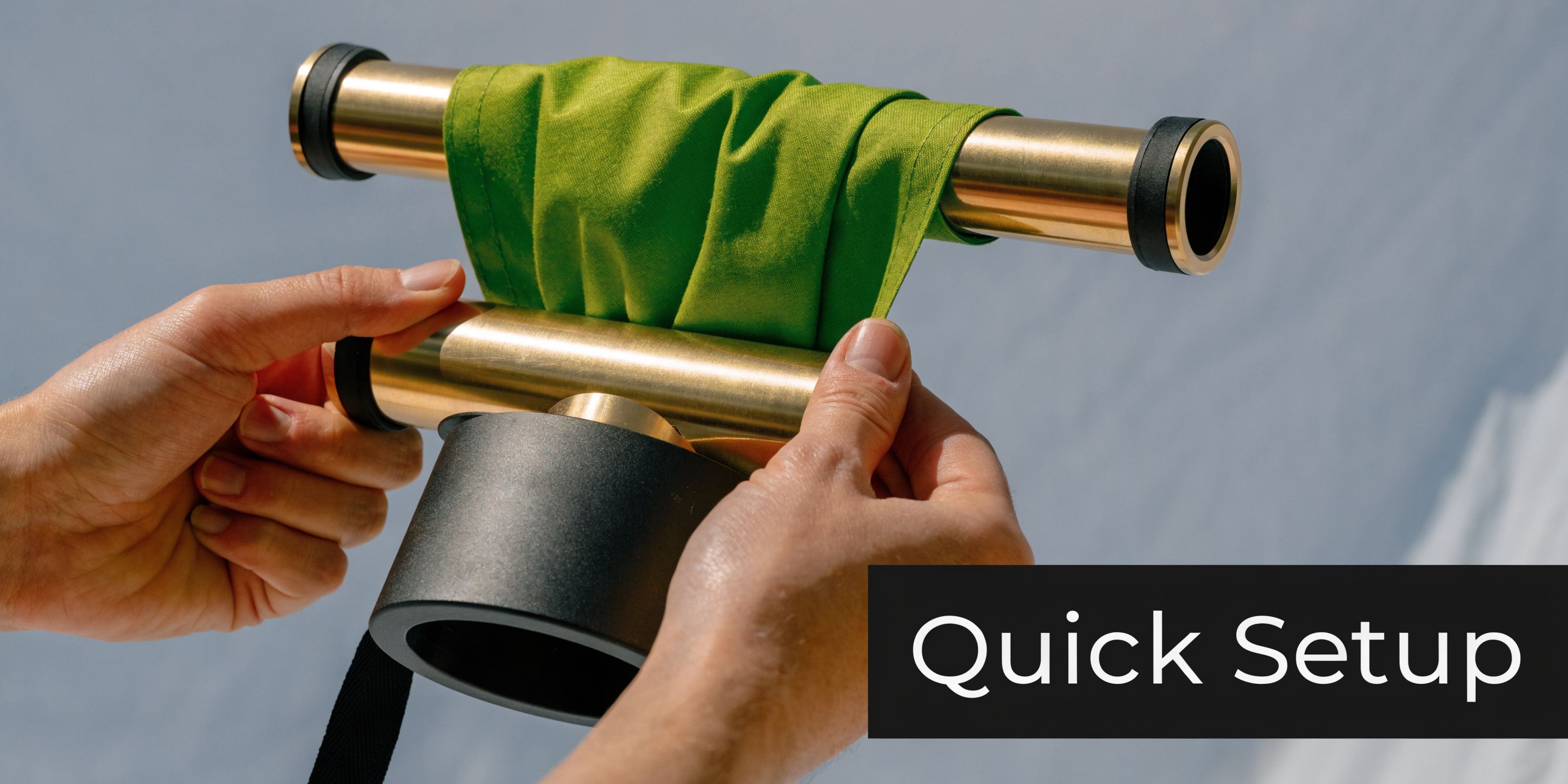
Most retractable displays follow the same pattern:
Place the base on level ground
Make sure the feet are fully rotated and stable.
Assemble or extend the support pole
Seat it securely in the base.
Pull the graphic upward from the center
Keep the motion even, not angled.
Attach the top rail to the pole
Once it’s secured, check that the graphic sits straight.
That’s it. The process is simple enough for one person, which is one reason businesses keep these displays on hand for recurring events.
What causes wear
The banner doesn’t usually fail because of printing. It usually wears out because of rough retraction, poor storage, or handling before the graphic is fully ready.
Modern banner films like 8mil polyester are designed for durability without lamination, but their longevity depends on proper handling. Ensuring the graphic is fully dry before retraction and using a slow, even pull helps prevent curling and damage, according to this banner film data sheet.
That “slow, even pull” advice matters more than many people realize. If someone yanks the graphic down from one side, the edges can track unevenly into the base.
Store the banner like equipment, not like a poster. The stand, the print, and the case all work together.
Day-to-day care that makes a difference
A few habits go a long way:
Retract from the center
Guide the graphic down evenly with your hand. Don’t let it snap back.
Wipe gently
Use a soft, slightly damp cloth if the surface needs cleaning.
Use the carry case
The case protects the base from dents and scratches in transit.
Store in a dry indoor location
Avoid damp spaces, heavy stacking, or leaning the base where it can be knocked over.
For a visual walkthrough, this setup video is useful before your first event:
When to replace the graphic or hardware
If the banner starts leaning, curling, or showing edge wear, inspect both parts of the system. Sometimes the issue is the print. Sometimes it’s the stand mechanism. Either way, catching the problem early keeps you from showing up to an event with a display that looks worn before anyone reads it.
How to Order Your Banner from Camelot Print
Ordering a banner locally usually works better when the job has moving parts. Maybe the artwork isn’t fully ready. Maybe the banner has to match an event date. Maybe the piece needs to fit an industry setting where the wrong finish, layout, or readability choice creates a problem.
That’s where local coordination matters.
What to gather before you request pricing
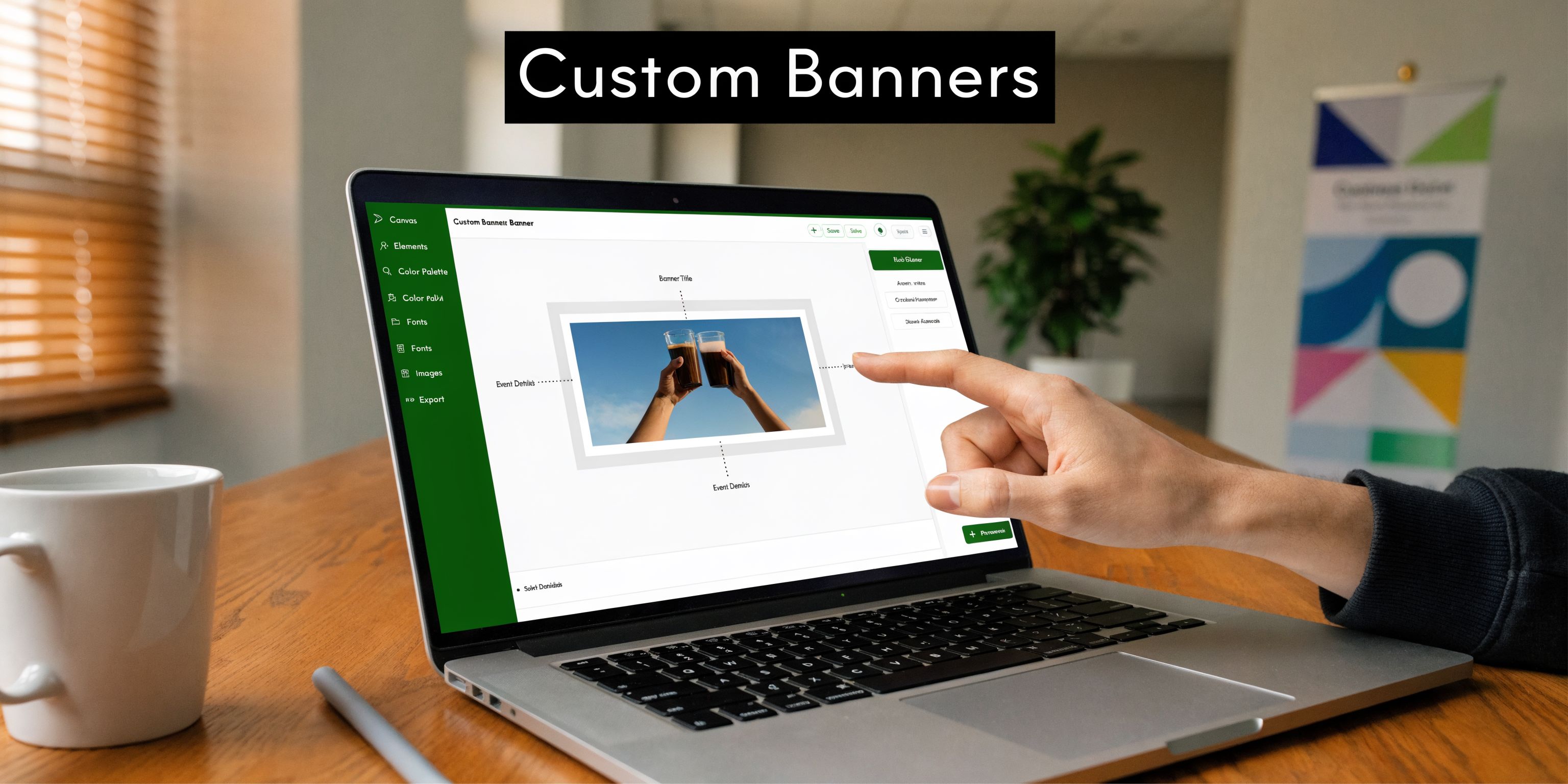
The fastest quote process starts with a short list of decisions:
Banner purpose
Trade show, lobby, event, directional use, recruiting, or branded backdrop.
Size preference
Standard size if you know it, or at least the space where it will stand.
Artwork status
Print-ready file, rough draft, or no design yet.
Timing
If your event date is fixed, mention it immediately.
Pickup or delivery needs
This affects planning just as much as printing does.
If you already have a logo, brand colors, and copy, gather those in one folder. That alone reduces back-and-forth.
Why local ordering helps with specialized projects
Not every banner is just a logo and a slogan. Some industries need more judgment.
Many businesses, especially in specialized fields like AEC, legal, and healthcare, face unique compliance and formatting challenges that generic online printers can’t address. Professional local printers can provide custom solutions, such as using specific anti-glare laminates for court displays or ensuring architectural graphics remain legible at large scales, as discussed in 48HourPrint’s retractable banner printing page.
That matters in practical ways:
- AEC firms may need plans, diagrams, or technical summaries to remain readable at banner scale.
- Legal offices may want a more formal presentation style and reduced glare in public-facing interiors.
- Healthcare organizations often need clean layouts, straightforward wayfinding, and careful handling of sensitive content.
These aren’t abstract concerns. They affect whether the finished display is usable.
How the ordering flow usually works
A smooth banner order usually follows this sequence:
Request a quote
Share size, use case, quantity, and timing.
Send files or design notes
A finished PDF is helpful, but a rough concept can still move the project forward.
Review production details
Here, size, material, finish, and display hardware get confirmed.
Approve the job
Once details are settled, production can proceed.
Arrange fulfillment
Pickup or delivery gets scheduled around your deadline.
Businesses comparing product options can also review Camelot’s display solutions to understand where retractable banners fit among other event and presentation formats.
One advantage of a local print partner
The value isn’t just the final print. It’s the ability to solve problems before they become reprints.
If the file is low resolution, someone can flag it. If the text sits too low in the hidden base area, someone can catch it. If the banner is intended for a legal office lobby and the finish may create glare, that can be discussed before production starts.
Camelot Print & Copy Centers handles retractable display work as part of its broader print and display services, which is useful for businesses that also need matching collateral, presentation materials, or event signage from the same source.
A local order tends to go smoother when your banner is tied to a real date, a real room, and real people who need to use it without surprises.
What if you don’t have a finished design
That’s common. Many banner projects start with a logo, some bullet points, and a rough idea of where the display will stand.
That’s enough to begin. A practical design conversation often starts with three questions:
- What should people notice first?
- Where will they stand when reading it?
- What action should they take next?
Those answers usually shape the layout faster than trying to write every line of copy before talking to a designer.
Frequently Asked Questions
A few questions come up on almost every roll up banner order. The answers below should help you make decisions faster and avoid common delays.
FAQ Section
| Question | Answer |
|---|
| What file format should I send? | A print-ready PDF is the cleanest option. If you don’t have one, editable design files and high-quality images can still be useful. |
| Do I need to design in CMYK? | Yes. Print production works best when files are prepared in CMYK, which helps avoid unexpected color shifts. |
| What resolution should the artwork be? | For most banner applications, 150 DPI at final size is the practical target discussed earlier in this guide. |
| Why can’t I place text at the very bottom? | The hardware hides part of the lower area when the banner is installed, so important content placed there may disappear from view. |
| Can I use a roll up banner more than once? | Yes. That’s one of its main advantages. With proper handling and storage, it can be reused across multiple events and locations. |
| Is lamination required? | Not always. Some banner films used in retractable displays are designed to perform without lamination. |
| How do I keep the banner from getting damaged? | Retract it slowly and evenly, store it in its case, and avoid letting it snap back into the base. |
| Is a roll up banner good for a lobby? | Yes, especially when you want a professional display without wall mounting or a permanent install. |
| Can a banner work for AEC, legal, or healthcare uses? | Yes, but those projects often need more careful choices around legibility, finish, formatting, and presentation. |
| What if I don’t have finished artwork yet? | You can still start the order process with your logo, message, and a description of where the banner will be used. |
A final point worth remembering: the banner itself is only part of the outcome. The better you define the space, audience, and purpose, the easier it is to choose the right format and avoid wasted time.
If you’re ready to price out a roll up banner, ask design questions, or discuss a specialized display for your office, event, or presentation, contact Camelot Print & Copy Centers for a quote at https://www.camelotprintandcopy.us/contact-us.